


Humidity has a way of undoing a hairstyle fast. The moment you step outside, smooth strands can puff up, curls can lose shape, sleek styles can collapse, and volume can disappear under the weight of moisture in the air. That does not mean your hair cannot hold a style in humid weather. It just means the style needs to be built differently.
The best humidity-proof styles are not the ones that rely on heat alone. They are the ones that start with the right prep, use enough texture and grip to stay in place, and are set in a way that gives the hair structure without making it stiff or brittle. Whether you want waves, curls, buns, braids, twists, or a simple everyday style, it is possible to make it last longer without reaching for hot tools.
In this guide, you will learn why hair loses shape in humidity, how different hair types respond to moisture in the air, and how to build long-lasting styles naturally. Each section breaks the process into simple, practical steps so you can style your hair in a way that looks good now and still holds up later.
Why Hair Loses Its Shape in High Humidity
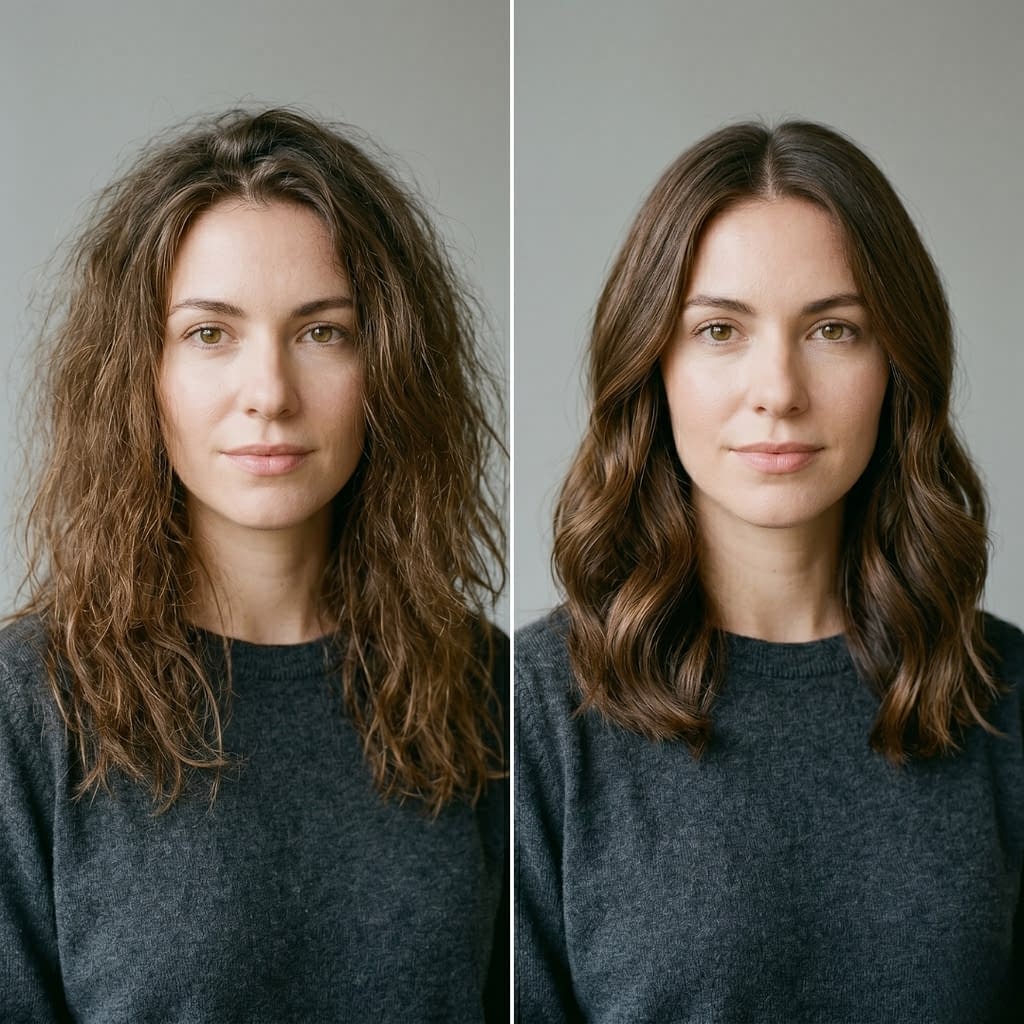
Hair loses its shape in humidity because it absorbs moisture from the air. When that happens, the hair shaft swells and changes texture, which can loosen curls, flatten volume, puff up frizz, or make a sleek style bend out of shape. Hair is always trying to balance the moisture inside it with the moisture around it, and high humidity makes that balance harder to maintain.
If the hair is already dry, damaged, or porous, it tends to react even faster. That means the outer layer of the hair cuticle opens more easily and allows outside moisture to get in. The result is less control, less definition, and a style that seems to fall apart more quickly than expected.
Step by step: how humidity breaks a style
- Moisture in the air enters the hair shaft.
- The strands swell and become less stable.
- The cuticle lifts, especially if hair is dry or porous.
- Style memory weakens and the hair shifts shape.
- Frizz, puffiness, or flatness appear.
The more your style depends on smoothness alone, the more easily humidity can disrupt it.
How Humidity Affects Different Hair Types and Styles
Humidity does not affect every hair type the same way. The texture, porosity, and shape of the hair all influence how it reacts.
Straight hair
Straight hair may go limp, flat, or frizzy depending on how much moisture it absorbs. Styles with volume at the roots can collapse quickly.
Wavy hair
Wavy hair often loses pattern definition in humidity. Waves may drop out in some places and frizz up in others, creating an uneven look.
Curly hair
Curly hair may become puffier or frizzier as humidity causes the curl pattern to expand. Sometimes curls gain volume, but not always in a controlled way.
Coily or tightly textured hair
Coily hair may shrink, expand, or lose shape depending on the level of moisture and the styling method used. It often holds up better with protective styling, but it still needs control and moisture balance.
Step by step: how hair type changes the outcome
- Hair absorbs moisture at different speeds.
- The cuticle reacts based on porosity and damage.
- Some styles lose hold while others swell.
- Frizz or flattening becomes visible.
- The final result depends on hair type and styling method.
Understanding your hair type helps you choose a style that works with humidity instead of fighting it.
The Best Way to Prep Hair Before Styling
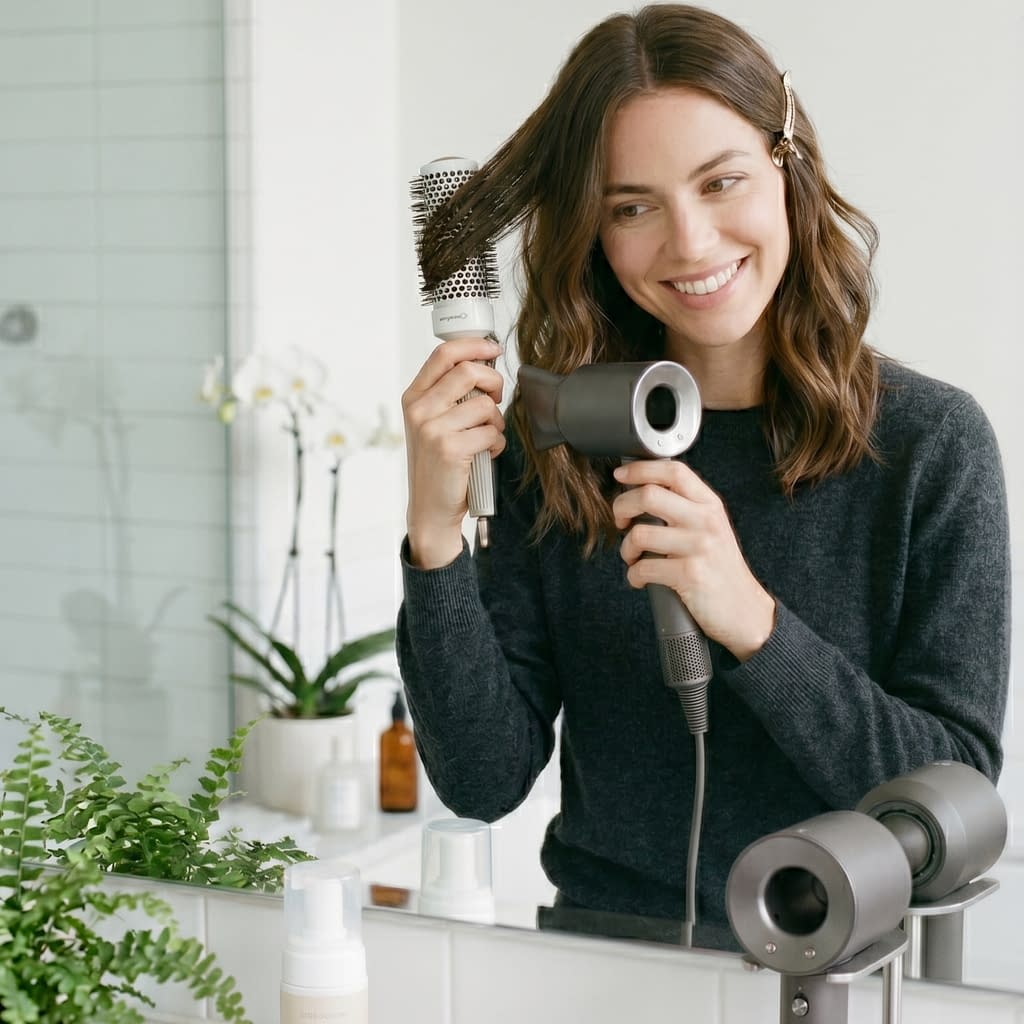
Preparation matters more than almost anything else when you want a style to last in humid weather. If the hair is not ready, even a good style can fall apart too soon.
Step by step: prep routine
- Start with clean or lightly refreshed hair.
- Remove excess oil, product buildup, or moisture.
- Use a lightweight conditioner or leave-in if your hair needs softness.
- Dry the hair enough so the style can set properly.
- Apply a product that gives grip or hold before styling.
Helpful tips
- Do not overload the hair with heavy products
- Make sure the base is smooth, but not slippery
- If hair is very dry, add hydration before hold
A style usually lasts longer when the hair is balanced between moisture and control.
How to Build a Style That Lasts Without Heat
A long-lasting heatless style starts with the right foundation. The goal is to create shape using the natural behavior of the hair rather than forcing it with heat. That means using tension, product, and drying time carefully.
Step by step: building a durable style
- Choose a style that suits your hair texture.
- Apply a light hold or texture product.
- Shape the hair while it is damp or slightly damp if needed.
- Let the style dry and set fully.
- Avoid touching it too much once it is in place.
Helpful tips
- Styles with structure usually last better than loose, unsupported looks
- The hair needs time to remember the shape
- Good prep gives the style a stronger base
If you want a style to survive humidity, it has to be set up to succeed from the beginning.
Products That Help Hair Hold Its Shape Naturally
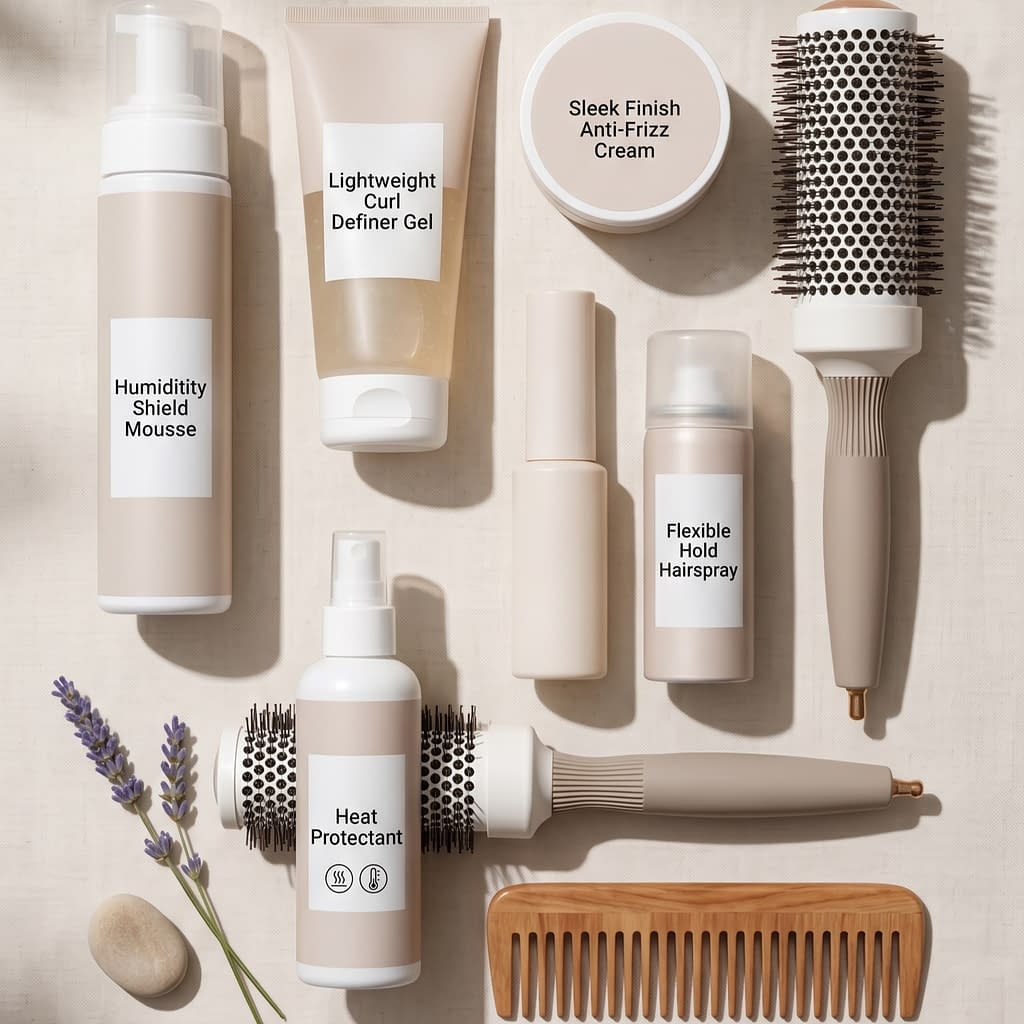
The best products for humid weather are not always the heaviest ones. You want products that support hold, texture, and control without making the hair sticky or crunchy.
Helpful product types
- Lightweight mousse
- Curl cream with flexible hold
- Texturizing spray
- Sea salt spray in moderation
- Styling foam
- Flexible-hold gel
- Anti-frizz leave-in conditioner
- Lightweight setting spray for hair
Step by step: using products well
- Start with a small amount.
- Focus on the mid-lengths, roots, or areas that need support.
- Layer only if the hair still needs more control.
- Avoid using too many heavy styling layers at once.
- Let the product dry or set before touching the style.
Helpful tips
- Fine hair usually needs lighter products
- Thick or curly hair may need a little more hold
- Choose products that work with your natural texture, not against it
The right product should help your hair stay itself, just more controlled.
Why Texture and Grip Matter in Humid Weather
Texture and grip are your best friends in humidity. Hair that is too silky or too slick often slips out of style quickly because it has nothing to “hold onto.” Texture gives the hair more structure, and grip helps the style stay in place longer.
This is why freshly washed, ultra-smooth hair sometimes loses styles faster than hair with a little natural texture. You want just enough grip for pins, braids, twists, or waves to stay secure without making the hair look rough or weighed down.
Step by step: how to create grip
- Start with hair that is clean but not overly slippery.
- Use a product that adds body or texture.
- Avoid over-conditioning right before styling.
- Let the style set rather than constantly adjusting it.
- Add a little dry texture if the hair is too smooth to hold.
Helpful tips
- Light texture sprays can improve hold
- A little grit often helps styles stay longer
- Balance matters: too little grip slips, too much makes hair stiff
Humidity-resistant hair usually has a little texture built into it.
How to Use Braids, Twists, and Buns for Long-Lasting Style
Braids, twists, and buns are some of the best styles for humid weather because they naturally control the hair and reduce the amount of exposed surface area that can frizz up.
Braids
Braids create structure and keep the strands together. They can hold well in humid weather and often look better as they loosen slightly throughout the day.
Twists
Twists are a softer option that still gives the hair shape and control. They work especially well for natural or textured hair.
Buns
Buns keep the hair contained and can look sleek or relaxed depending on the finish. They are ideal for keeping humidity from undoing your style completely.
Step by step: how to make them last
- Start with slightly textured hair.
- Apply a light hold or styling product.
- Braid, twist, or gather the hair securely.
- Avoid making the style too tight if you want comfort.
- Smooth the outer layer lightly once the style is set.
Helpful tips
- Use braids or twists at night for heatless waves
- A low bun is often more stable than a loose knot
- Secure the style without pulling the roots too much
These styles work because they give the hair a built-in structure that humidity has a harder time disturbing.
Ways to Set Hair Without Blow Drying or Hot Tools
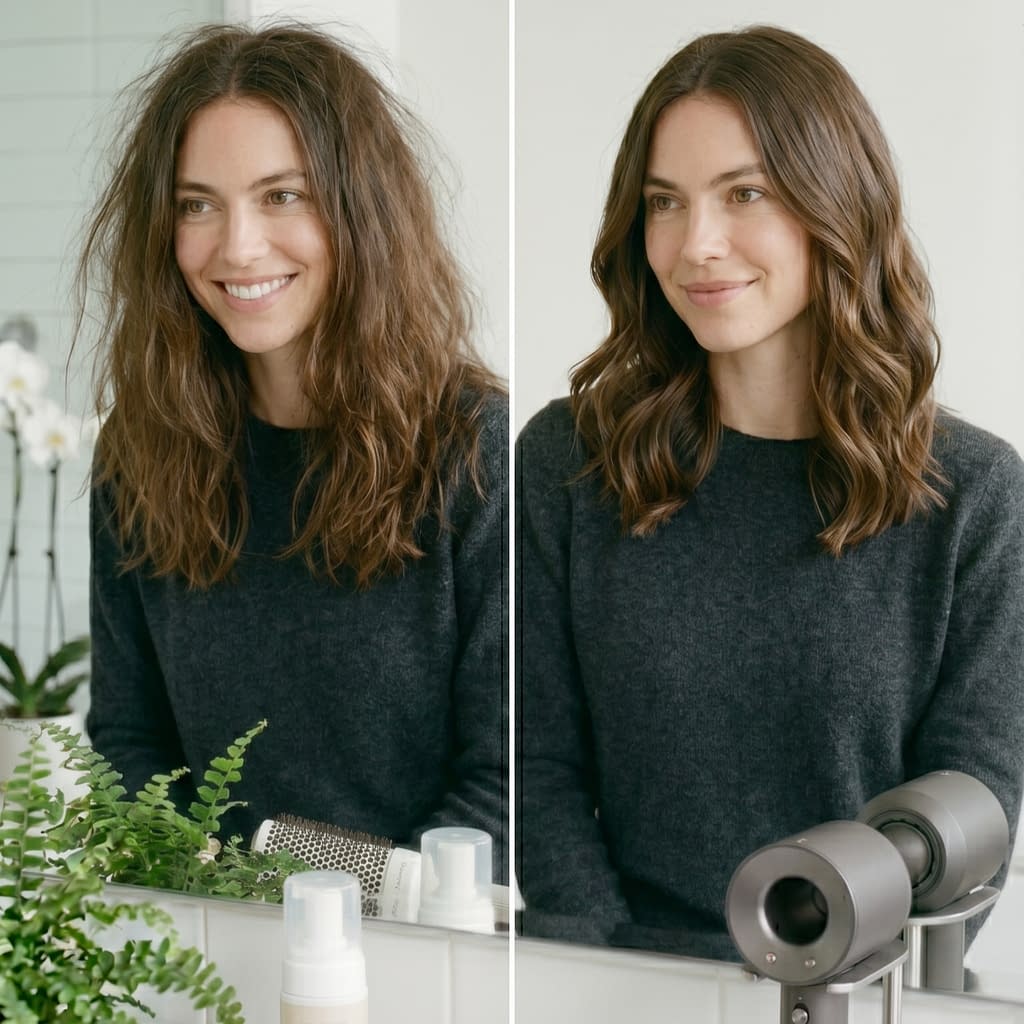
You do not need heat to make hair hold. Air-drying, setting, and shaping can create very stable results if you give the hair enough time and the right support.
Step by step: no-heat setting
- Style the hair while damp or slightly damp.
- Apply a product that supports hold.
- Use clips, pins, braids, or twists to shape the hair.
- Let it dry fully without touching it.
- Release or finish the style only after it is completely set.
Helpful tips
- If the style is not dry, it is not set
- Avoid sleeping on a style before it finishes drying
- Use sectioning to help the hair set evenly
The key is patience. A fully set style usually lasts much longer than one that is rushed.
How to Keep Frizz Under Control All Day
Frizz is often the first sign that humidity is winning. To keep it under control, the hair needs both moisture balance and gentle surface smoothing.
Step by step: frizz control
- Start with a style that has enough hold.
- Use a lightweight anti-frizz or smoothing product.
- Keep hands off the hair as much as possible.
- Smooth only the outer layer if frizz appears.
- Avoid overbrushing, which can make things puffier.
Helpful tips
- Too much product can attract more moisture
- A little smoothing cream or oil goes a long way
- Frizz is often easier to manage when the base style is strong
The less you disturb the hair, the more stable the style usually stays.
Styling Mistakes That Make Hair Fall Flat Faster
A style can lose shape faster because of a few common mistakes. Some are easy to miss, but they make a big difference in humid weather.
Mistakes to avoid
- Using too much conditioner right before styling
- Starting with hair that is too wet or too soft
- Choosing a style that has no structure
- Touching or adjusting the style constantly
- Using heavy oils or creams near the roots
- Skipping product altogether
Step by step: avoid flatness
- Begin with balanced, not slippery, hair.
- Choose products that support shape.
- Create a style that has built-in hold.
- Let the style set fully.
- Leave it alone as much as possible once it is finished.
When a style is overhandled or underprepared, humidity can flatten it much faster.
How to Refresh Your Style Without Starting Over

Sometimes humidity changes your style midway through the day, but that does not mean you need to wash or restyle completely. A light refresh can often bring the shape back.
Step by step: quick refresh
- Mist the hair lightly if it feels dry or frizzy.
- Apply a small amount of leave-in or styling product where needed.
- Smooth or reshape only the areas that have lost definition.
- Add a little texture if the hair is too flat.
- Let the style settle again without too much handling.
Helpful tips
- Refresh only the sections that need help
- Avoid redoing the whole style unless necessary
- A small touch-up is usually enough to revive the look
The best refresh is the one that restores the style without making it heavier.
Final Words
Making hair hold a style naturally in high humidity is all about planning, not force. When the hair is prepped well, given the right amount of texture and grip, and styled in a way that works with its natural behavior, it has a much better chance of staying in place. Heat is not the only way to make hair hold. In many cases, the combination of the right products, the right structure, and the right setting method works even better.
The key is to keep things balanced. Hair that is too soft slips, hair that is too heavy falls flat, and hair that is too touched can frizz faster. But when you choose a style with structure, give it time to set, and protect it from excess moisture and handling, it can last beautifully even in humid weather.
Humidity may be unavoidable, but a style that is built properly can absolutely survive it.


