


Popping a pimple can leave you with more than just a flat spot. Once the skin barrier is broken, the area becomes irritated, more vulnerable to bacteria and friction, and more likely to heal with a dark mark or scar if it is picked at again. Dermatology groups consistently warn that squeezing or picking acne raises the risk of scarring, and Mayo Clinic notes that sun exposure can make post-acne dark spots linger longer.
The good news is that a popped pimple can usually be calmed down if you treat it gently right away. The key is to clean it carefully, keep it protected and lightly moisturized, avoid further trauma, and use sunscreen once the skin is no longer raw so the spot does not darken.
What Happens When You Pop a Pimple
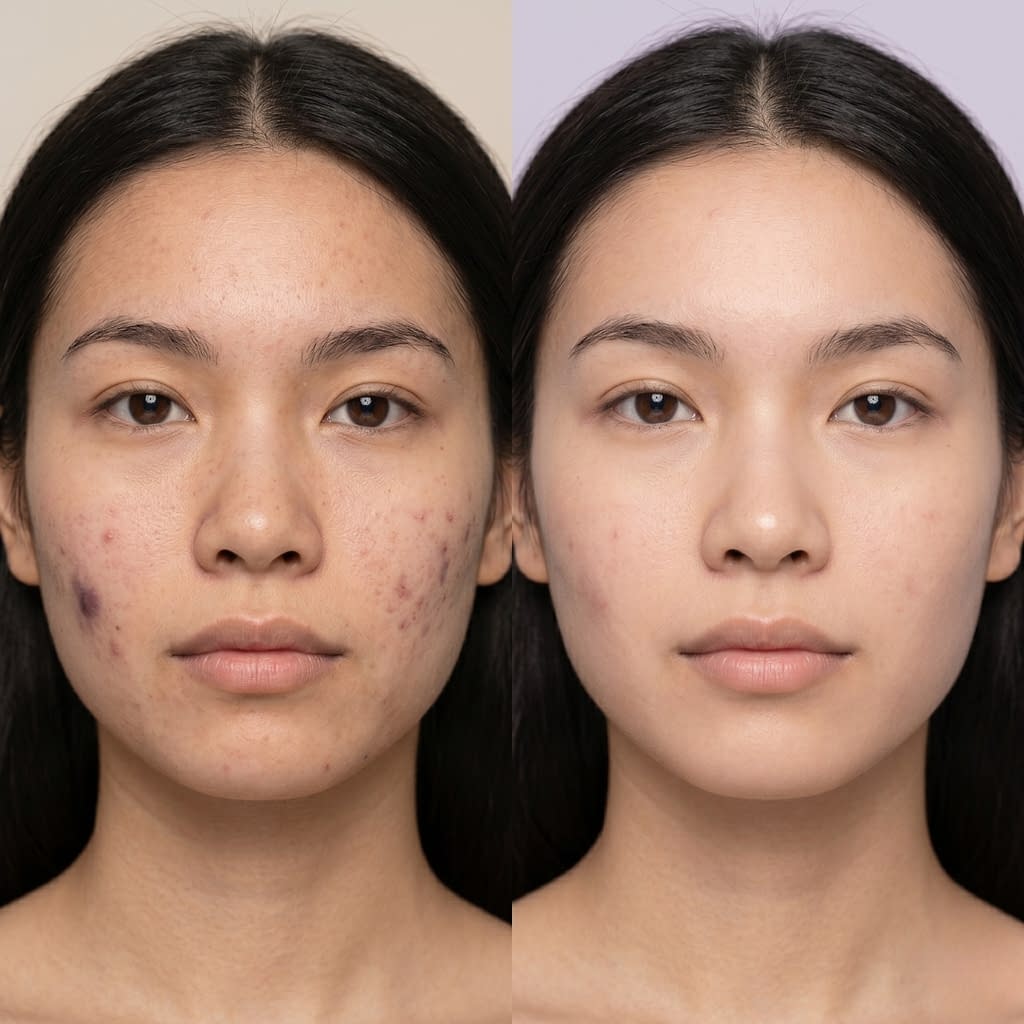
When a pimple is popped, the skin around it is injured and inflamed. Acne itself starts when pores get plugged with oil and dead skin, and popping adds extra trauma on top of that, which is why dermatology guidance says not to pop, pick, or squeeze breakouts.
That extra trauma can turn a small breakout into a longer-lasting red mark or a deeper injury that heals more slowly. Cleveland Clinic and the NHS both note that picking or squeezing acne can worsen inflammation and lead to scarring.
Step by step: what has just happened
- The pore has been opened or damaged.
- The skin is inflamed and more sensitive than before.
- The area is easier to irritate again from rubbing, makeup, or sun.
- The healing phase starts immediately, so the first few hours matter.
Why a Popped Pimple Can Turn Dark
A popped pimple can turn dark because inflammation triggers extra pigment production, which is known as post-inflammatory hyperpigmentation. Cleveland Clinic explains that hyperpigmentation is a common condition where extra melanin darkens a spot or patch, and Mayo Clinic notes that the sun can worsen those lingering dark marks after acne.
The risk is even higher if the spot is repeatedly touched, scrubbed, or exposed to sunlight before it fully heals. That is why a calm, protected healing period matters so much right after the pimple breaks.
Step by step: how dark marks form
- The pimple is popped and inflammation increases.
- The skin responds by producing more pigment.
- Sun exposure can deepen the mark.
- Picking or rubbing keeps the area inflamed longer.
- The spot heals into a darker patch instead of fading smoothly.
The First Things to Do After a Pimple Breaks
The first priority is to stop further damage. That means washing your hands, leaving the area alone, and gently cleansing the skin with mild cleanser and lukewarm water rather than trying to “clean it out” or scrub it hard. NHS acne guidance says not to squeeze spots and to use a mild cleanser with lukewarm water; Mayo Clinic similarly recommends a gentle routine and avoiding harsh handling.
After cleansing, the safest next step is to protect the area. If the pimple is open or oozing, a hydrocolloid pimple patch can help absorb fluid and create a barrier that protects the spot from picking and outside irritants. Cleveland Clinic says these patches are especially helpful for open, oozing zits, and hydrocolloid can help the skin recover a bit faster.
Step by step: immediate rescue plan
- Wash your hands first.
- Gently cleanse the area with a mild cleanser and lukewarm water.
- Pat dry, do not rub.
- Cover the spot with a hydrocolloid patch if it is open or oozing.
- If a patch will not work, use a thin layer of plain petroleum jelly as a protective barrier. Mayo Clinic says petroleum jelly can act as a barrier on skin, and SELF notes that a moisturizing occlusive is preferable to harsh acne fighters immediately after popping.
How to Clean the Area Without Making It Worse
The safest cleaning method is simple: mild cleanser, lukewarm water, and gentle hands. NHS guidance warns that frequent washing can irritate acne-prone skin, and both NHS and Mayo advise avoiding very hot or very cold water.
If the spot has opened, your goal is to keep it clean without creating more friction. That means no scrubbing cloths, no rough exfoliating tools, and no repeated rubbing with makeup wipes or tissues. The skin needs a calm environment to close up properly.
Step by step: gentle cleanse
- Wet the skin with lukewarm water.
- Use a mild, non-stripping cleanser.
- Touch the area lightly with clean fingertips only.
- Rinse well so no residue remains.
- Pat dry instead of rubbing.
Best Ways to Calm Redness and Swelling Fast
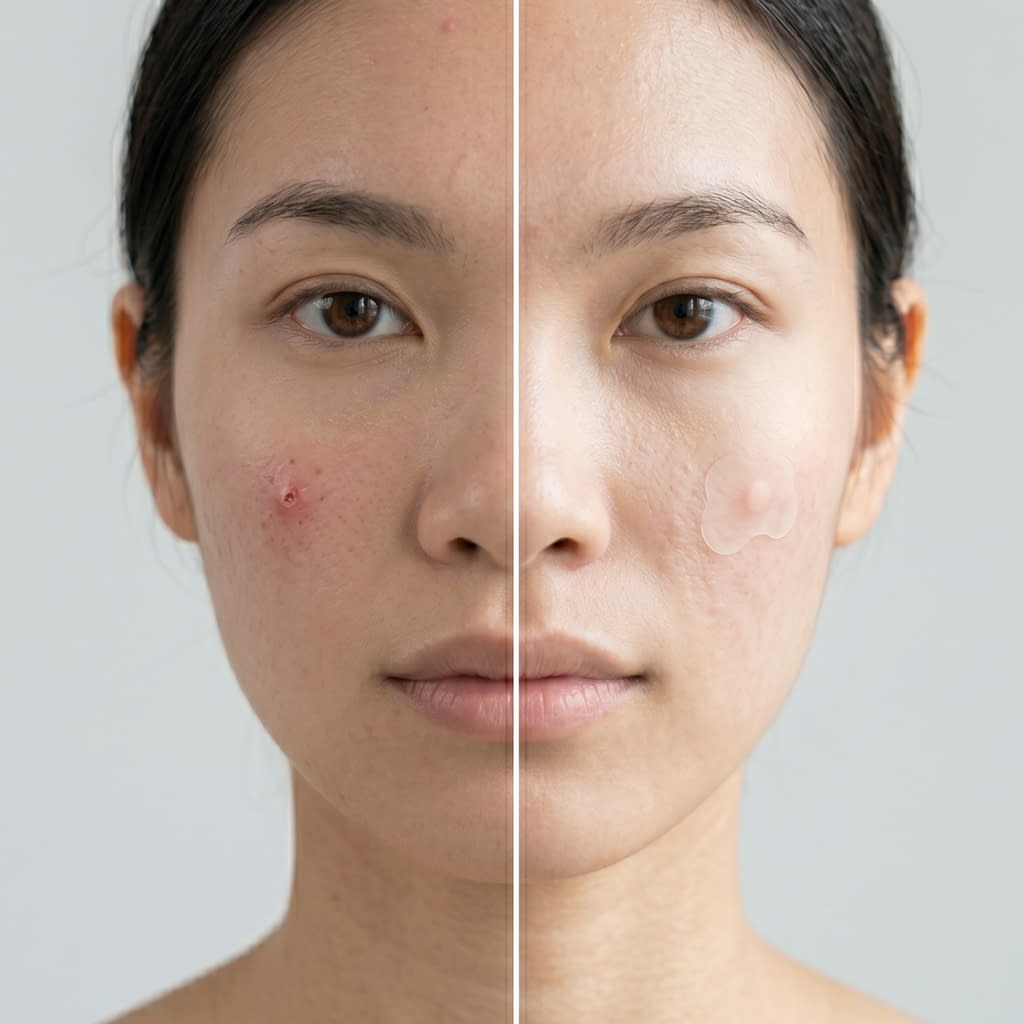
A cool compress can help take the edge off redness, swelling, and pain while the area calms down. Cleveland Clinic notes that cold therapy can reduce inflammation and puffiness, and other clinical guidance on acne-related swelling describes cold compresses as a temporary way to reduce redness and discomfort.
This is a comfort step, not a cure. The point is to make the area less inflamed so it is less likely to darken or scab from extra irritation. Keep the compress brief and gentle rather than icy or heavy.
Step by step: cool it down
- Wrap a cool pack or chilled cloth in a soft barrier so it is not too cold.
- Hold it on the spot for a few minutes.
- Remove it and let the skin rest.
- Repeat only as needed during the day.
- Stop if the skin feels more irritated.
Why Moisturizing Helps the Skin Heal Better
Moisturizing supports the skin barrier and helps the popped spot heal in a calmer, less irritated way. Mayo Clinic’s acne-friendly routine includes cleansing, treatment, moisturizing, and sunscreen, and Cleveland Clinic also recommends keeping skin care efficient and minimizing irritation.
For a freshly popped pimple, the moisturizer should be bland and gentle rather than heavily active. A thin layer of plain petroleum jelly can also help form a protective barrier, which is why many wound-care style approaches favor keeping the area slightly moist instead of letting it dry out and crack.
Step by step: moisture-first care
- Clean the spot gently.
- Apply a plain, fragrance-free moisturizer or a thin barrier layer.
- Keep the layer light, not greasy.
- Reapply only if the skin feels dry or tight.
- Avoid layering harsh acne treatments on top of freshly broken skin.
Ingredients That Can Help Prevent Dark Marks
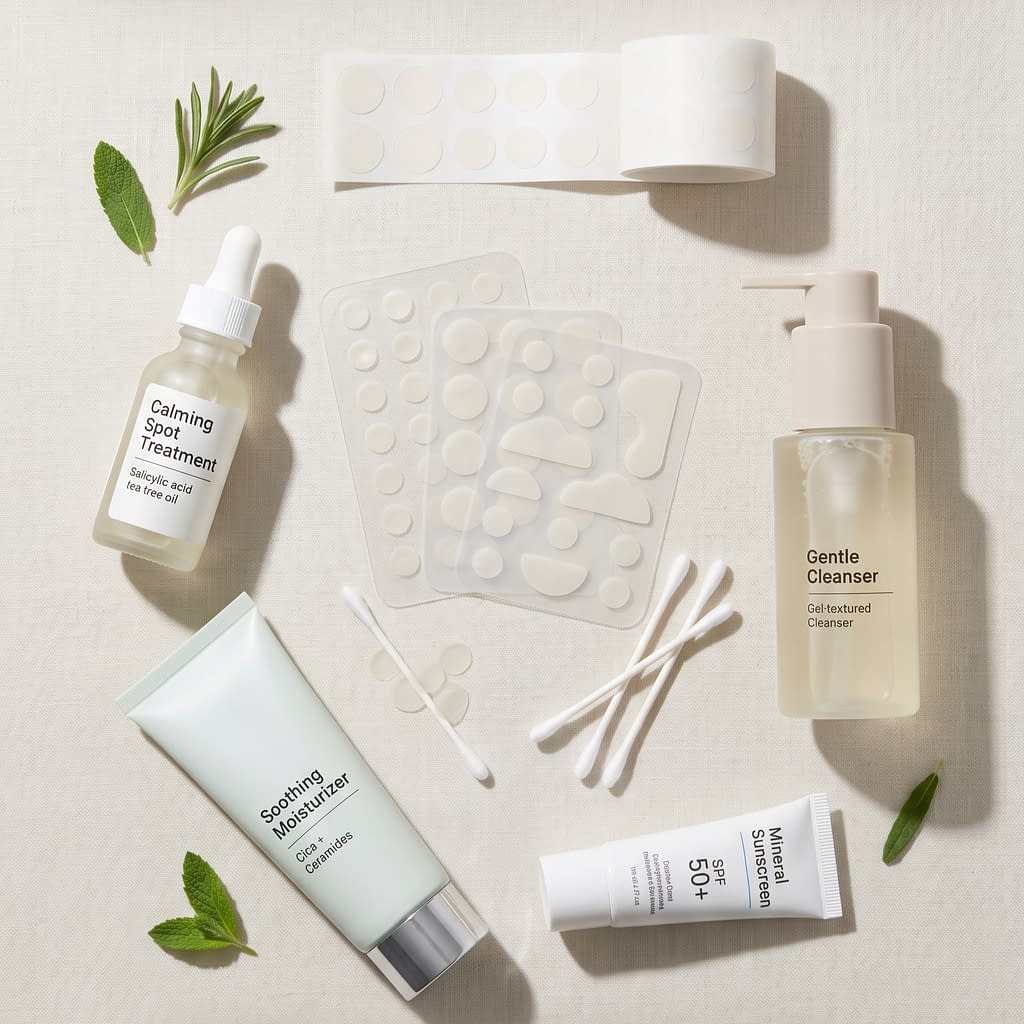
Once the skin is no longer open and raw, acne-fighting ingredients can help prevent the spot from becoming a lasting dark mark. AAD says salicylic acid helps unclog pores and retinol can fade dark spots, while Cleveland Clinic notes that vitamin C can be useful for brightening hyperpigmentation.
These ingredients are not for the first raw moments after popping. They are better used once the skin surface has calmed, because the goal then shifts from wound care to preventing lingering discoloration and future clogging.
Step by step: when to use ingredients
- Let the open spot close and calm down first.
- Use a gentle brightening or acne-care product if the skin tolerates it.
- Start with a small amount and see how the area reacts.
- Keep sunscreen in the routine so the mark does not darken.
- Stop anything that stings or makes the area redder.
What to Avoid After Popping a Pimple
The biggest rule is to stop the damage cycle. AAD and the NHS both say not to pick, pop, or squeeze acne because that increases scarring risk. NHS also notes that too much washing can irritate acne-prone skin, and harsh cleansing can make symptoms worse.
You also want to avoid heavy or oily cosmetics on the spot right away, especially if the area is still open or tender. Strong acne products can be useful later in the routine, but SELF notes that immediately after popping, hydrating care is kinder than harsh drying treatment.
Step by step: what not to do
- Do not keep picking at the spot.
- Do not scrub the area or use rough exfoliants.
- Do not flood it with strong acne actives immediately.
- Do not leave it unprotected in the sun.
- Do not keep washing it repeatedly throughout the day.
How to Protect the Spot from Sun Damage
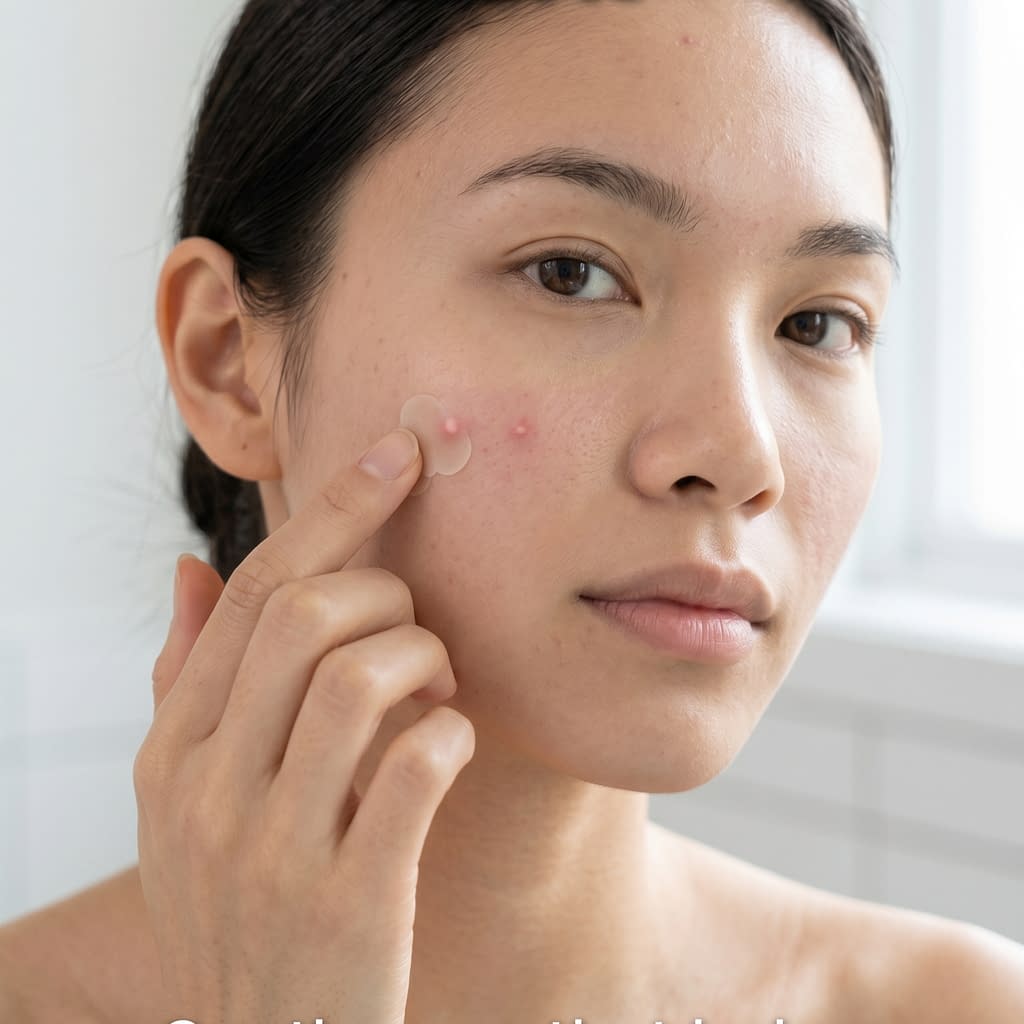
Sun protection is one of the most important things you can do to prevent a popped pimple from becoming a darker mark. Mayo Clinic specifically says sun worsens post-inflammatory hyperpigmentation, and AAD recommends broad-spectrum sunscreen with SPF 30 or higher for skin that is not covered by clothing.
If the spot is still open or very tender, focus first on physical protection like shade and avoiding direct sun. Once the skin is calmer, use a non-comedogenic sunscreen so you are protecting the area without clogging pores.
Step by step: sun-safe healing
- Keep the spot out of direct sunlight as much as possible.
- Use a broad-spectrum SPF 30 or higher once the skin can tolerate it.
- Choose a non-comedogenic sunscreen if you are acne-prone.
- Reapply as directed if you are outdoors for long periods.
- Keep the area covered with a patch or protective layer if needed.
When to Use Spot Treatments and Healing Patches
Hydrocolloid pimple patches are especially useful on open or oozing zits because they absorb fluid and protect the spot from further picking or irritation. Cleveland Clinic says they are designed to help drain picked-open zits and can be helpful for sensitive skin.
Once the area is closed enough for treatment, a gentle acne ingredient can be added later to help prevent future clogging or dark marks. AAD notes that salicylic acid unclogs pores and retinol can fade dark spots, but those treatments are best used when the skin is no longer raw.
Step by step: patch or spot treatment
- If the pimple is open or draining, use a hydrocolloid patch first.
- Leave the patch on as directed so it can absorb fluid and protect the area.
- Once the skin is closed, consider a gentle acne treatment if your skin tolerates it.
- Avoid layering too many active ingredients at once.
- Keep sunscreen in the routine to stop marks from darkening.
How to Keep the Area from Scabbing or Scarring
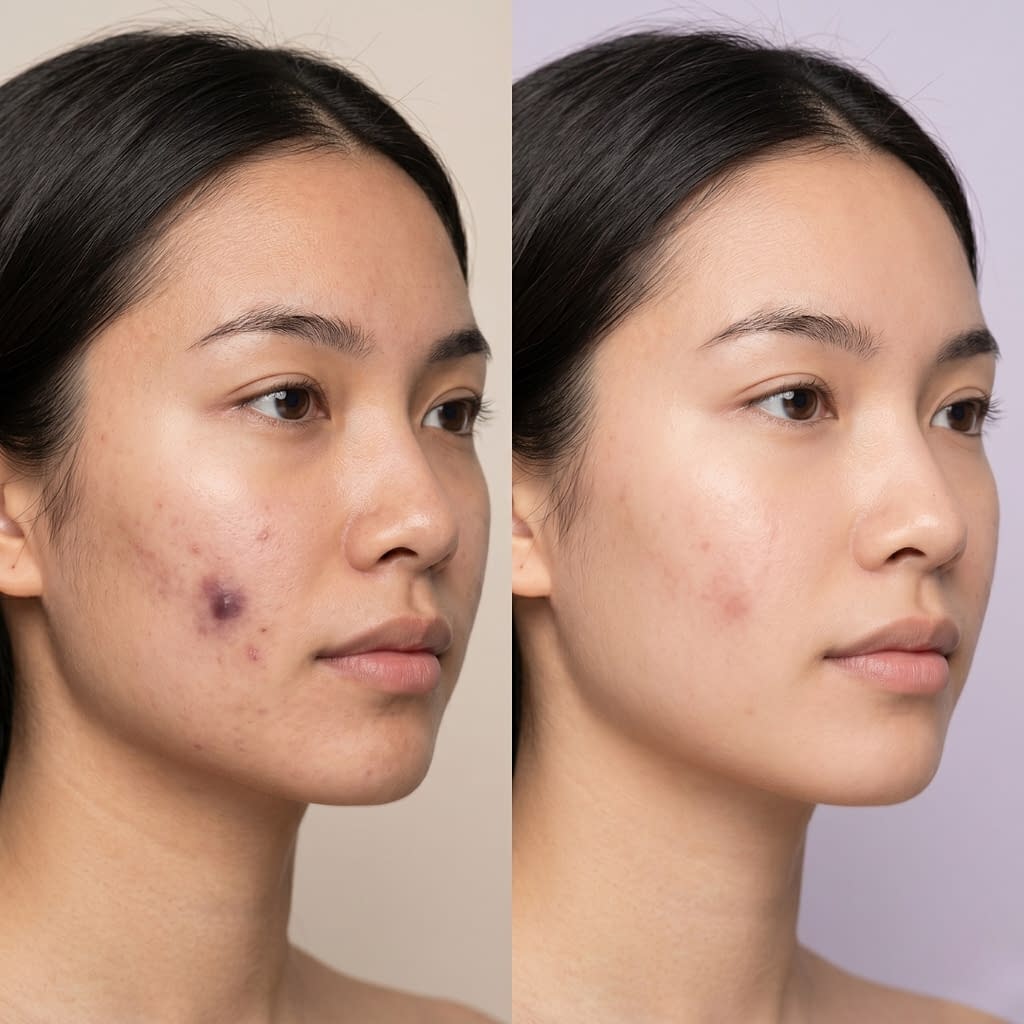
The best way to avoid a scab or scar is to minimize trauma and keep the area protected while it heals. NHS and AAD both say not to pick or squeeze because that increases scarring risk, and Cleveland Clinic notes that hydrocolloid patches help protect the skin and discourage picking.
Keeping the spot gently moist with a bland barrier can also help it heal more smoothly than letting it dry out and crack. Mayo Clinic and SELF both support the idea that protective moisture and barrier care can be useful after a pimple has been opened.
Step by step: protect healing skin
- Leave the skin alone.
- Keep it clean without over-washing.
- Protect it with a patch or a thin barrier layer.
- Keep it out of strong sun.
- Watch for changes that suggest infection rather than normal healing.
Final Words
A popped pimple does not have to turn into a dark spot. If you treat it gently right away, the skin usually has a much better chance of healing cleanly. The most important moves are simple: cleanse softly, stop touching it, keep it protected, use a hydrocolloid patch if it is open, and avoid the sun while the skin is recovering.
Once the skin has closed, you can shift into prevention mode with ingredients like salicylic acid, retinol, or vitamin C if your skin can tolerate them, while keeping sunscreen in place so the mark does not deepen. AAD and Mayo Clinic both emphasize that sun protection is key for preventing dark post-acne marks from lingering.
If the area becomes increasingly red, swollen, warm, painful, or starts draining pus, it may be infected rather than just irritated, and wound-infection guidance says those signs deserve medical attention.


