


Summer skin can be tricky: sweat, oil, sun, and sunscreen are all part of staying protected and comfortable, but they can also make breakouts more likely if your routine is not working with your skin. Dermatology guidance notes that sweat mixed with bacteria and oils can clog pores, and that oily or acne-prone skin benefits from products labeled oil-free or non-comedogenic.
The good news is that you do not have to choose between protecting your skin and keeping it clear. With the right sunscreen formula, a gentle cleansing routine after sweating, and a few smart habits for reapplication and product layering, you can lower the chances of summer breakouts without sacrificing sun protection.
Why Sweat and Sunscreen Can Trigger Breakouts
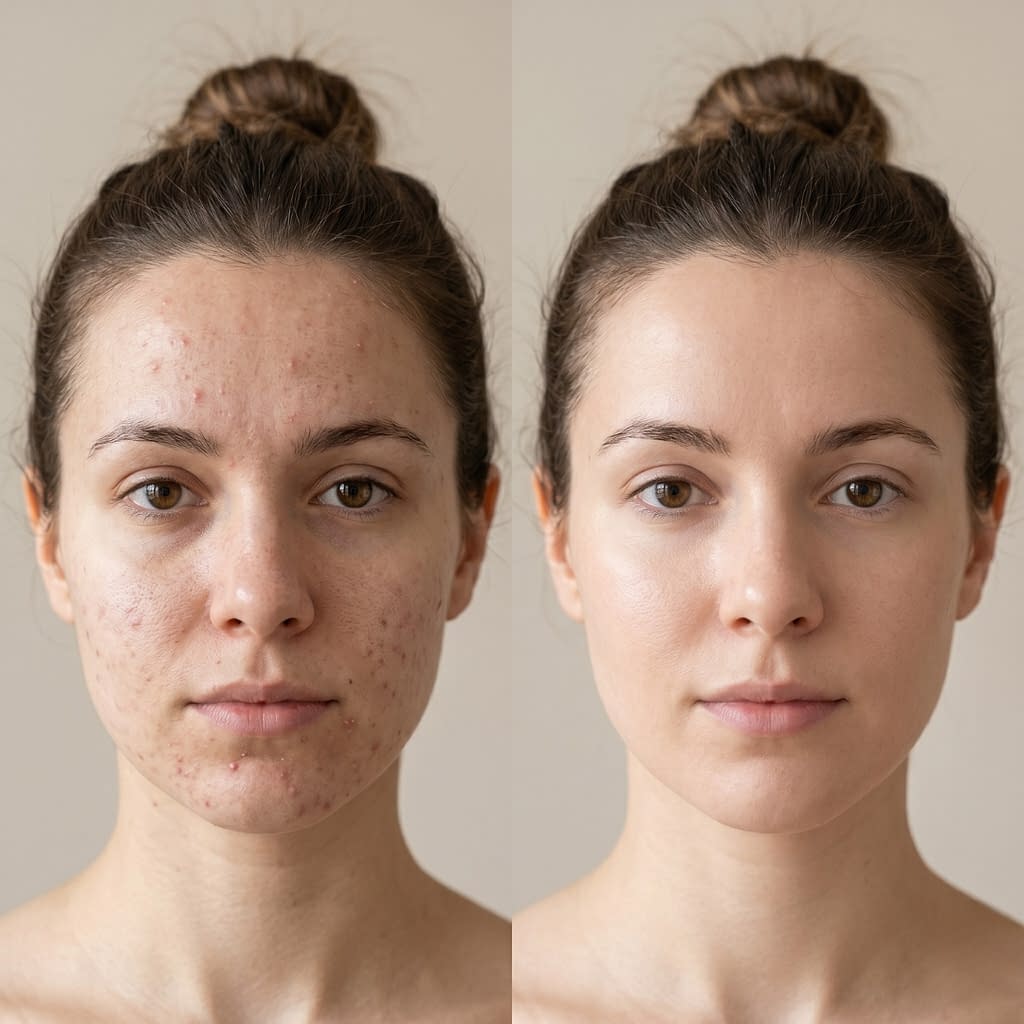
Sweat can contribute to breakouts because it mixes with bacteria and oils on the skin, which can clog pores. Dermatologists also point out that sweat left on the skin can be irritating, and rubbing it away can make acne-prone skin worse. Sunscreen can become part of the problem when it is not well matched to your skin type or when it is left sitting on top of sweat, oil, and dead skin.
Step by step: why summer products trigger acne
- Sweat builds up on the skin during heat or activity.
- Oil and bacteria mix with that sweat.
- Sunscreen and other products add an extra layer on top.
- Pores can clog more easily if products are too heavy or not removed well.
- Breakouts become more likely, especially on acne-prone skin.
How Summer Heat Makes Skin More Breakout-Prone
Summer heat does not just make you sweat more. It can also make your skin more oil-prone and more likely to clog. Cleveland Clinic notes that heat and sweating can increase oil and sweat on the skin, which may worsen acne for some people. AAD also explains that outdoor summer skin problems include acne breakouts because sweat can clog pores.
Step by step: how heat changes your skin
- Your body cools itself by producing more sweat.
- Oil production can feel more noticeable in warm weather.
- Sweat and oil collect on the surface of the skin.
- Pores have a harder time staying clear.
- Breakouts can flare more easily than they do in cooler weather.
The Difference Between Sweat Bumps and Acne
Not every bump after a hot day is acne. Sweat can also cause heat rash, which happens when blocked sweat ducts trap sweat under the skin. Mayo Clinic describes heat rash as small red clusters or clear bumps that can be itchy and usually improve when the skin cools down. Acne, on the other hand, is tied more to clogged pores and can linger or recur in the same areas.
Step by step: how to tell them apart
- Check whether the bumps appeared after heavy sweating or heat. Heat rash is often linked to blocked sweat ducts.
- Notice whether the area feels prickly or itchy. That can fit heat rash.
- Look for clogged pores, whiteheads, or deeper pimples, which are more consistent with acne.
- See whether the skin improves when it cools and dries out. Heat rash often does.
- If you are unsure, keep the routine gentle and avoid scrubbing either way.
How to Choose a Breakout-Friendly Sunscreen
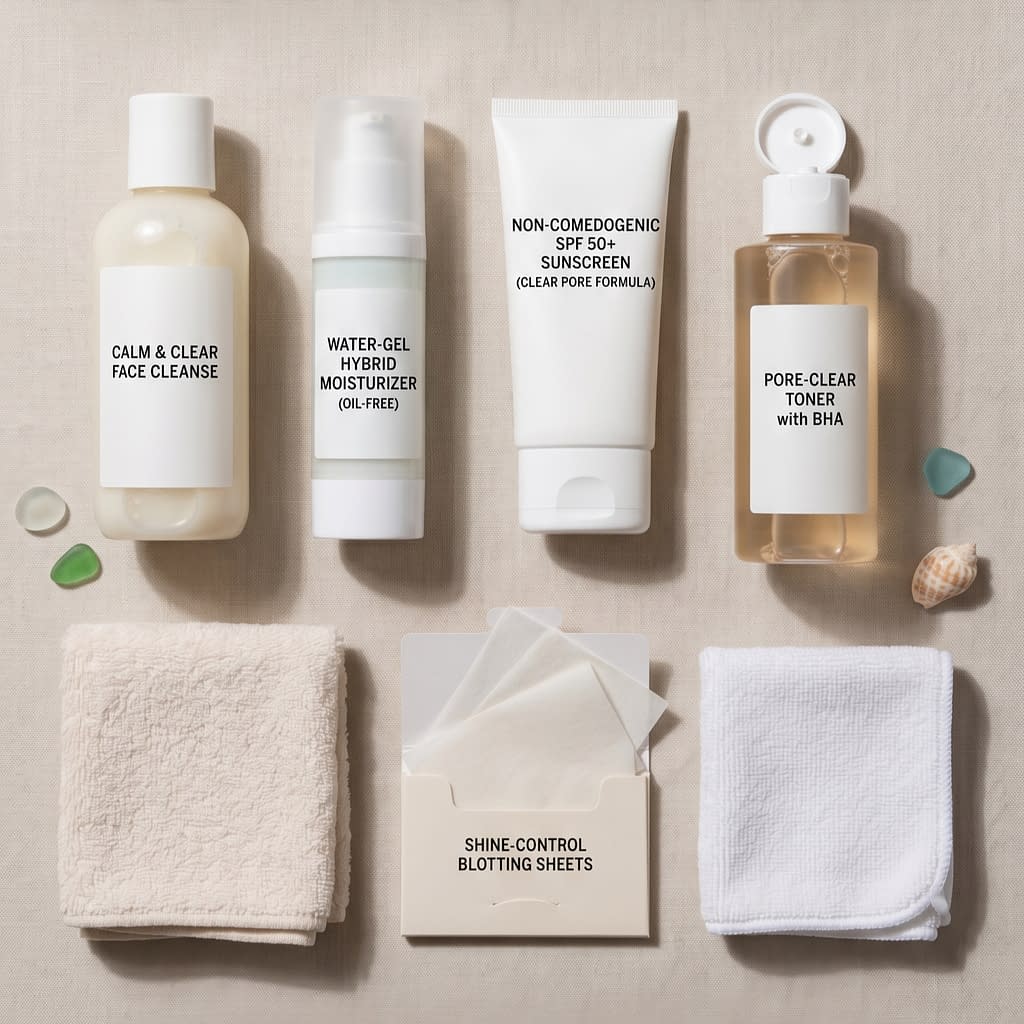
A breakout-friendly sunscreen should protect your skin while being less likely to clog pores or feel heavy on hot days. AAD recommends sunscreen that is non-comedogenic or oil-free, broad-spectrum, water-resistant, and SPF 30 or higher; mineral formulas with zinc oxide and titanium dioxide are especially recommended for acne-prone or sensitive skin.
Step by step: choosing the right sunscreen
- Look for “non-comedogenic,” “oil-free,” or “won’t clog pores” on the label.
- Pick broad-spectrum protection with SPF 30 or higher.
- Choose a water-resistant formula if you sweat or swim.
- Try a mineral sunscreen if your skin gets irritated easily.
- Keep the texture lightweight enough that you will actually wear it daily.
Common Sunscreen Ingredients That Can Clog Pores
For acne-prone skin, the big issue is often not sunscreen itself but the formula. AAD recommends choosing non-comedogenic, oil-free sunscreens, and says zinc oxide and titanium dioxide are good options for people trying to prevent breakouts. AAD also advises avoiding sunscreens with fragrance or oils if you are breakout-prone.
Step by step: ingredient red flags to watch for
- Read the label for oil-free or non-comedogenic wording.
- Prefer mineral actives like zinc oxide and titanium dioxide if your skin is easily irritated or acne-prone.
- Avoid formulas with fragrance or oils if those tend to break you out.
- Choose broad-spectrum, water-resistant protection with SPF 30 or higher.
- Patch test new products if your skin is sensitive or easily clogged.
The Best Way to Cleanse Skin After Sweating
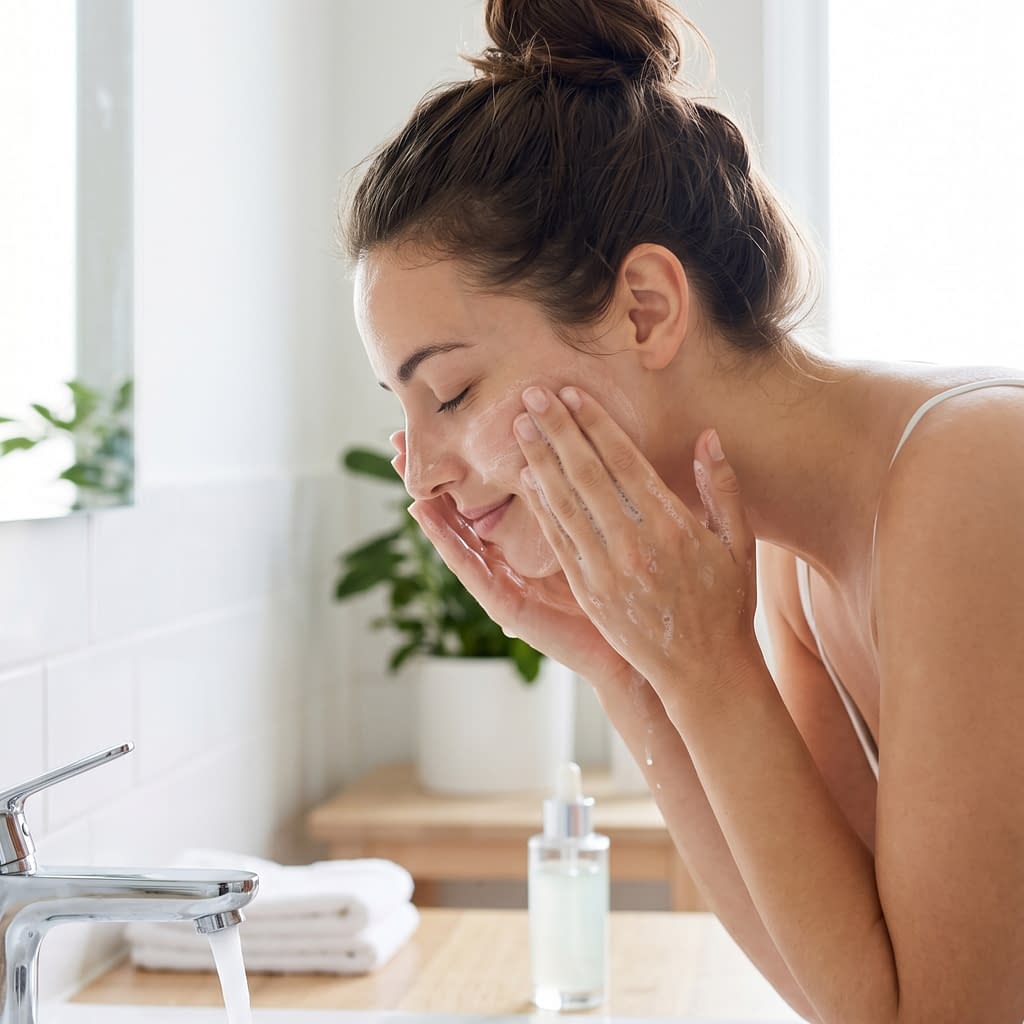
Dermatologists recommend cleansing after sweating so sweat, oil, bacteria, and dirt do not sit on the skin and clog pores. AAD specifically says to cleanse your face up to twice daily and after sweating, while resisting the urge to scrub because scrubbing can irritate acne-prone skin.
Step by step: post-sweat cleansing
- Rinse or cleanse as soon as you can after heavy sweating.
- Use a mild cleanser instead of an abrasive scrub.
- Pat skin dry with a clean towel rather than rubbing.
- Reapply moisturizer if your skin feels tight or dry. AAD recommends oil-free, non-comedogenic options for acne-prone skin.
- Keep sweaty clothing, hats, and towels clean so you do not reintroduce oil and bacteria.
Skincare Habits That Help Keep Pores Clear
Simple daily habits often matter more than complicated routines. AAD says acne-prone skin benefits from oil-free, non-comedogenic cleansers, moisturizers, and sunscreens, and that cleansing after sweating helps keep pores clear. Cleveland Clinic also notes that if your skin feels dry and tight, a non-comedogenic, fragrance-free moisturizer can help support the skin barrier.
Step by step: pore-friendly habits
- Keep your routine simple and consistent.
- Use oil-free, non-comedogenic products on face and body.
- Cleanse after sweating and at the end of the day.
- Moisturize with a fragrance-free formula if your skin gets dry.
- Avoid over-scrubbing, which can make skin more irritated and breakout-prone.
How to Reapply Sunscreen Without Causing Breakouts
You still need to reapply sunscreen during summer. AAD says sunscreen should be reapplied every two hours when outdoors and immediately after swimming or sweating, and even water-resistant sunscreen does not last all day. The challenge is doing that without layering on too much residue.
Step by step: breakout-friendlier reapplication
- Blot sweat gently first instead of rubbing it off. AAD says wiping can irritate skin and lead to breakouts.
- If possible, rinse or cleanse lightly before reapplying.
- Use a sunscreen that is non-comedogenic, oil-free, broad-spectrum, SPF 30+, and water-resistant.
- Reapply every two hours or sooner if you have been sweating or swimming.
- Keep the layer even, not thick and pasty.
Makeup and Sunscreen Mistakes That Worsen Summer Acne
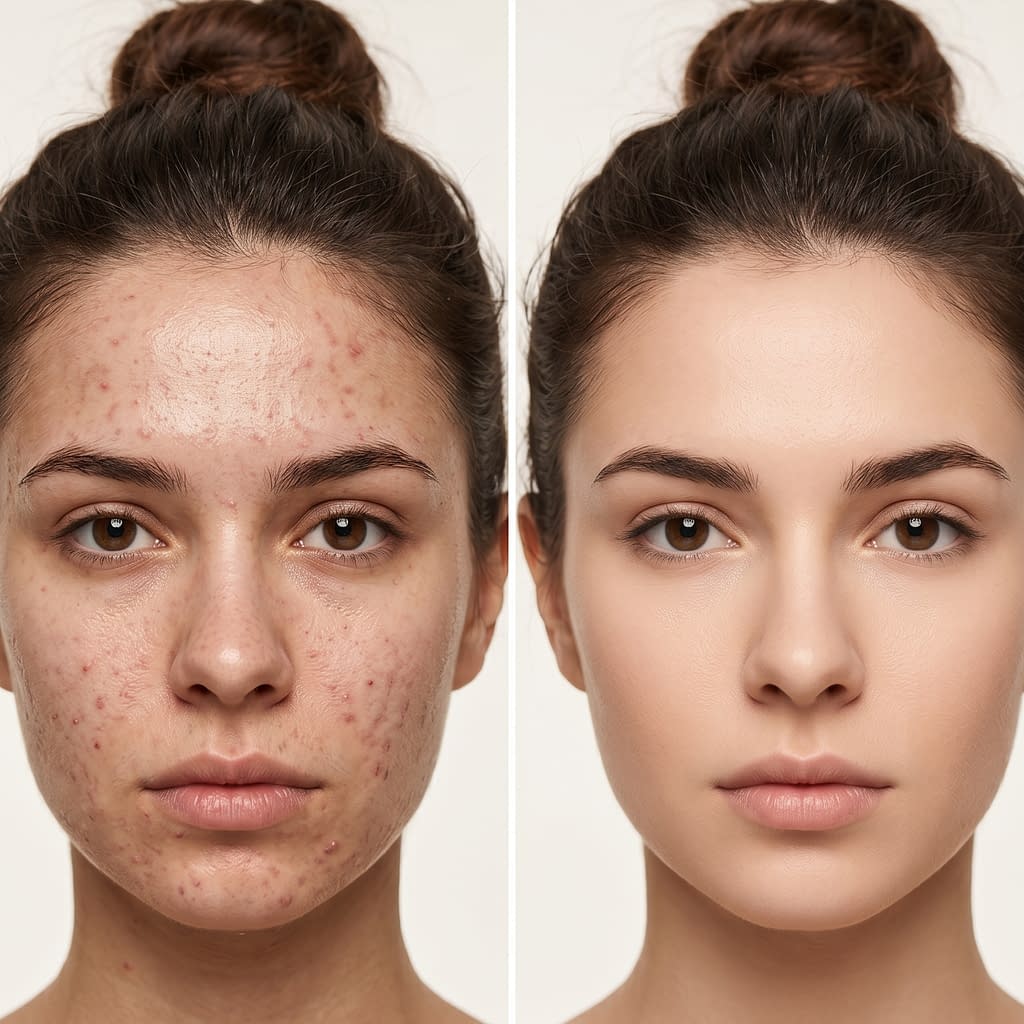
A lot of summer breakouts come from product habits, not just weather. AAD notes that makeup and skin care products that are not labeled non-comedogenic or oil-free can contribute to acne, and that sleeping in makeup can also trigger breakouts even if the products are otherwise acne-friendly.
Step by step: avoid the biggest mistakes
- Do not use greasy or heavily fragranced products if you are breakout-prone.
- Do not scrub your face to “clean off” sweat.
- Do not reapply sunscreen on top of heavy buildup without refreshing the skin first.
- Do not sleep in makeup or sunscreen residue.
- Do not keep switching products every few days; give a routine time to work. AAD notes acne routines often need 6 to 8 weeks for improvement.
How to Calm Skin When Breakouts Start Forming
If a breakout starts, keep the routine gentle and do not pick at it. AAD says popping or picking acne makes it worse, and that acne treatments should be applied as directed to acne-prone skin rather than aggressively targeted with scrubbing. Cleveland Clinic also recommends using a non-comedogenic moisturizer if your skin feels dry and tight while acne products do their work.
Step by step: calming a flare-up
- Stop touching or squeezing the area.
- Cleanse gently and keep the skin free of sweat and residue.
- Use acne-friendly ingredients like salicylic acid or benzoyl peroxide if your skin tolerates them. Cleveland Clinic says those can help after workouts, and AAD notes benzoyl peroxide reduces acne-causing bacteria.
- Moisturize with a non-comedogenic, fragrance-free product to reduce dryness.
- Keep using sunscreen so healing skin does not darken.
How to Protect Skin at the Beach, Pool, and Gym
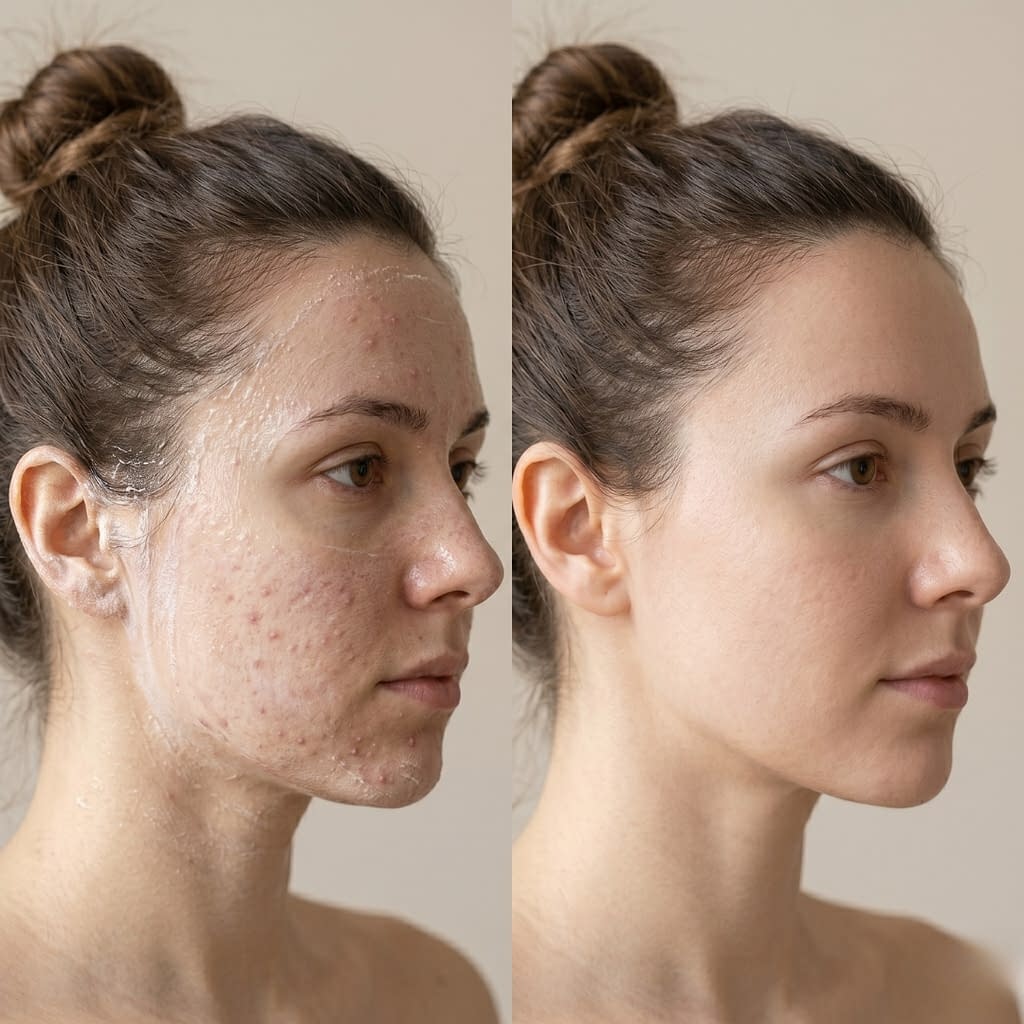
These are the places where sweat, water, and sunscreen layering can create the most breakout trouble. AAD recommends choosing oil-free, non-comedogenic sunscreen, cleansing after sweating, and using clean towels and clothing so bacteria and oils are not repeatedly pressed back onto the skin.
Step by step: beach, pool, and gym routine
- Apply a non-comedogenic, water-resistant sunscreen before going out.
- Wear clean workout clothes and use a clean towel after sweating. AAD says dirty clothes and towels can contribute to acne.
- Rinse or shower after swimming or heavy exercise.
- Reapply sunscreen every two hours and after swimming or sweating.
- Cleanse again at the end of the day with a mild, oil-free cleanser.
Final Words
The best way to prevent summer breakouts is not to stop sweating or skip sunscreen. It is to choose products that are less likely to clog pores, cleanse gently after sweating, and reapply sunscreen in a way that does not leave the skin overloaded. AAD recommends oil-free, non-comedogenic products, cleansing after sweating, and using sunscreen that is broad-spectrum, water-resistant, and SPF 30 or higher.
If breakouts keep happening even with a careful routine, it may be time to simplify your products and give a consistent acne plan enough time to work. AAD notes that acne treatments usually need 6 to 8 weeks of steady use before you see improvement, and if acne remains stubborn, a dermatologist can help you build a better plan.


